Basement Flooding in [state]
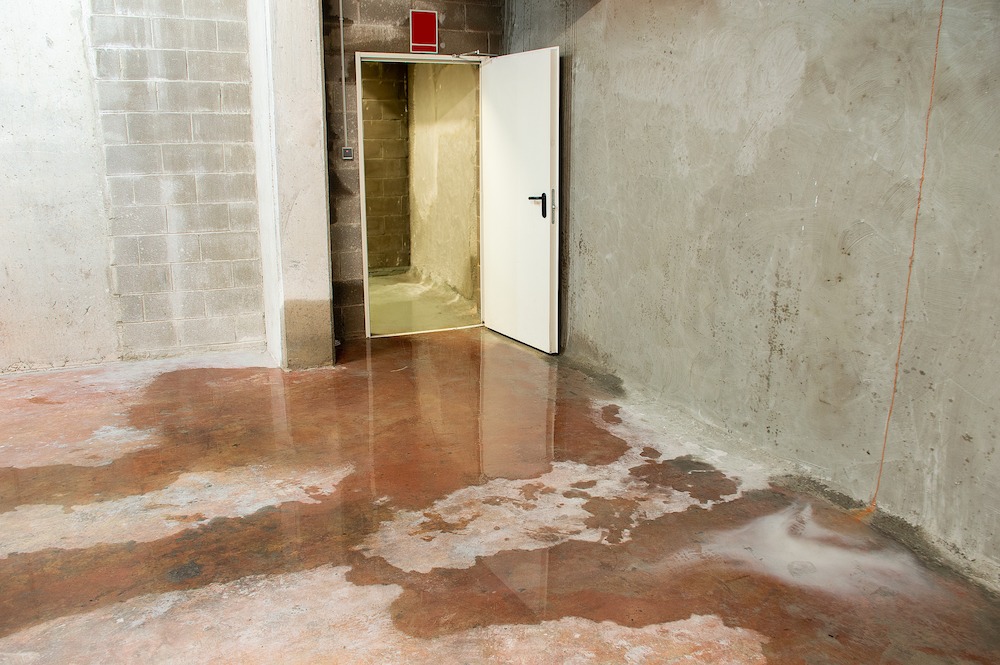
Don't wait for the next storm to flood your basement again.
If your basement floods when it rains, you're dealing with more than a temporary inconvenience. Water can damage flooring, walls, belongings, and finished spaces-and recurring flooding can indicate a serious water management problem around your foundation.
A NO Dealers specializes in basement waterproofing systems for homeowners throughout [territory], including [major cities 1]. We can identify where water is getting into your basement and recommend a comprehensive system designed to manage it and help keep your basement dry.
Why Does My Basement Flood When It Rains?
During heavy rain, the soil surrounding your foundation can become saturated with water. As more water collects in the soil, pressure builds against your basement walls and the underside of your basement floor.
This pressure is called hydrostatic pressure. Water naturally looks for a path to an area of lower pressure, which can force it through foundation cracks, joints, and other openings.
The joint where the basement floor meets the foundation wall is particularly vulnerable. Water can also migrate through concrete because concrete is porous, even when there isn't an obvious crack.
This can be especially concerning during periods of heavy rainfall in [state]. A basement that stays dry during normal weather may begin leaking or flooding when the surrounding soil becomes saturated.
Common Signs of Basement Water Intrusion
You don't always need standing water to know your basement has a water problem. Look for:
- Water or damp spots on basement walls
- Water stains or discoloration
- White, chalky deposits called efflorescence
- Dampness along the floor-wall joint
- Wet basement floors or puddles after rain
- Visible foundation cracks
- Musty odors
- Peeling paint or damaged wall coverings
- Water collecting around basement stairways or hatchways
Efflorescence can be an important warning sign. These white, chalky deposits form when moisture moves through concrete and evaporates, leaving minerals behind. While efflorescence doesn't cause flooding, it can indicate that water is moving through your foundation.
Where Can Water Enter Your Basement?
Basement water can enter in several ways. Identifying where you're seeing water can help reveal what's happening around your foundation.
Through the Basement Floor or Floor-Wall Joint
Hydrostatic pressure can force groundwater through the joint where the basement floor meets the foundation wall. Water can also enter through cracks or other openings in the floor.
Through Basement Walls
Water can move through foundation cracks, joints, and porous concrete. Moisture entering through the walls may leave behind damp spots, stains, or efflorescence.
Through Basement Stairways and Hatchways
Exterior basement stairways can become a major source of flooding during heavy rain. Water can collect around the entrance and make its way down the stairs. With some precast basement stairways, voids beneath or behind the steps can also fill with water, allowing it to enter the basement through joints and gaps.
From Plumbing or Other Sources
Not every basement flood is caused by groundwater. Plumbing failures, leaking appliances, or sewer backups can also introduce water into a basement. Determining the source of the water is an important first step in finding the right solution.
Why Is Basement Flooding a Problem?
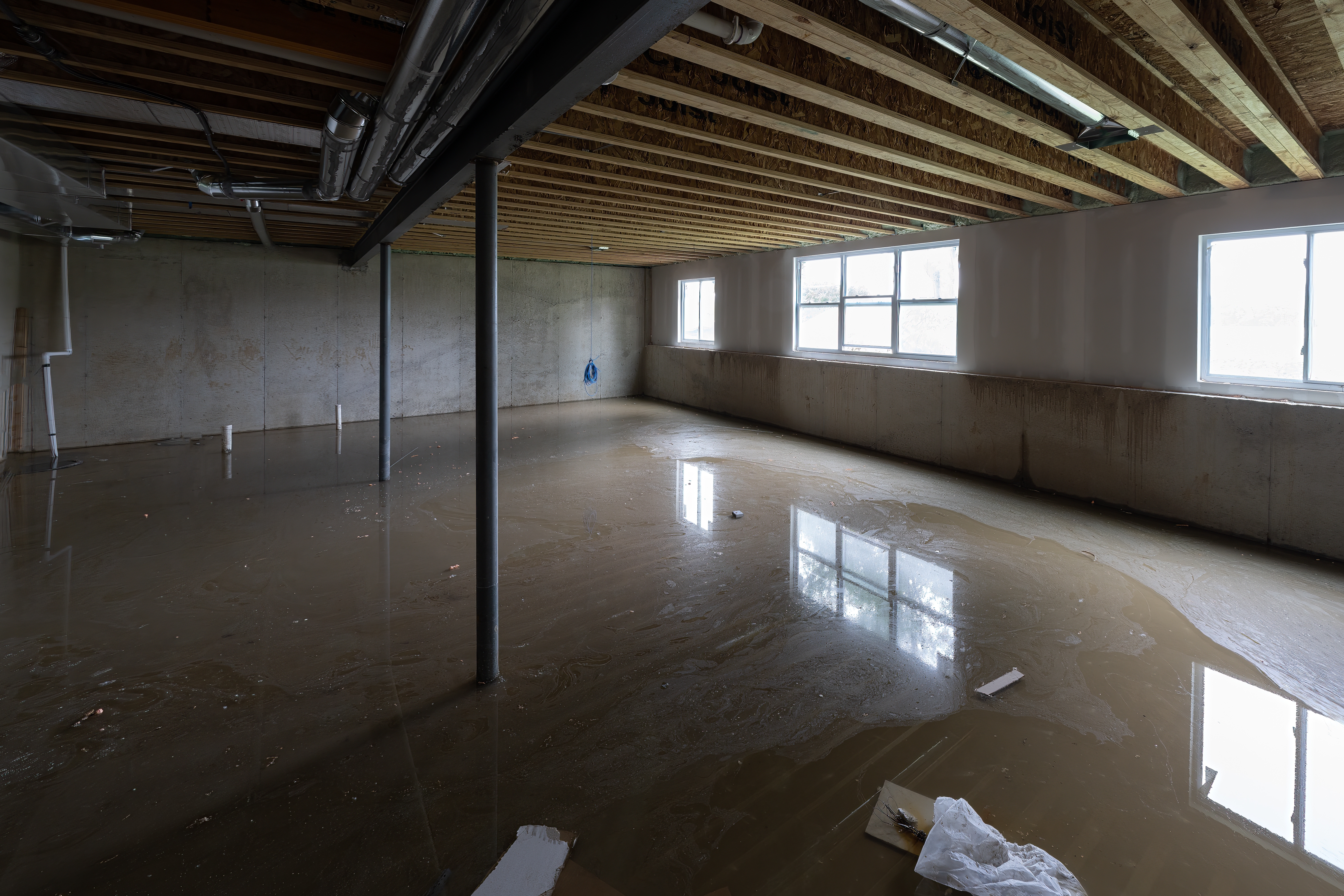
Recurring basement flooding can cause extensive water and moisture damage.
Even if your basement only floods during major storms, repeated water intrusion can create ongoing problems.
- Damage to finished areas: Standing water can damage flooring, drywall, carpeting, trim, and other materials.
- Damage to belongings: Furniture, stored items, and appliances can be damaged by water.
- Persistent moisture: Water entering through walls or floors can leave your basement damp long after a storm has passed.
- Musty odors: Excess moisture can contribute to unpleasant basement odors.
- Mold and mildew: Persistent moisture creates conditions where mold and mildew can grow.
- Loss of usable space: A basement that repeatedly floods may no longer be suitable for storage or finished living space.
What If My Basement Floods Through the Stairway?
Basement stairways and hatchways require special consideration because they are exposed directly to rainwater.
During a heavy storm, water can collect around the exterior stairway and flow toward the basement. With precast stair systems, water can also collect in voids beneath or behind the steps and eventually find its way into the basement.
TrenchDrain™ can help address this specific problem. Installed across the bottom of a basement stairway, this grated drainage system collects water before it can enter the basement and directs it into the home's drainage system.
However, stairway flooding may not be the only source of water in your basement. A NO Dealers can evaluate the stairway and the rest of your basement to determine whether water is also entering through the foundation walls, floor, or floor-wall joint.
Basement Waterproofing Systems Designed to Manage Water
Stopping basement flooding isn't simply a matter of cleaning up the water after a storm. A reliable waterproofing system should be designed to collect water entering the basement and safely remove it from the home.
A NO Dealers installs basement waterproofing systems designed for homes throughout [territory]. These systems work together to manage water from your foundation and help protect your basement from flooding.
Perimeter Drainage
A drainage system installed around the perimeter of the basement can collect water entering through the walls and floor-wall joint. The collected water is directed toward a sump pit instead of being allowed to accumulate on the basement floor.
Sump Pump Protection
Once water reaches the sump pit, powerful sump pumps remove it from the basement and send it through a discharge line away from the foundation.
Multiple pumps and backup systems can provide added redundancy if a primary pump cannot keep up with incoming water or stops working.
Protection During Power Outages
Severe storms are often when your basement is most likely to take on water-and they're also when power outages can occur. A battery backup system provides additional protection by allowing the sump system to continue operating when the power goes out.
Protection for the Discharge Line
Water needs to be discharged far enough away from your home so it doesn't simply return to the foundation. Specialized components can also help protect the system if the discharge line becomes blocked or freezes during cold weather.
Depending on your basement's specific needs, A NO Dealers can design a waterproofing system that combines these components to provide comprehensive protection from basement flooding.
Explore our Basement Waterproofing Solutions »
Why Trust A NO Dealers With Your Basement?
When you're dealing with basement flooding, you don't want to keep guessing where the water is coming from or rely on another temporary cleanup.
A NO Dealers specializes in basement waterproofing and water management. We understand how water can move through and around a foundation, and we use that knowledge to develop a system designed to collect, pump, and discharge water from your basement.
Instead of treating only the water you can see, our systems can address water entering through the basement walls, floor, and other vulnerable areas.
Our systems can also incorporate backup pumps, battery backup, discharge protection, and other components designed to provide reliable protection when you need it most.
The goal isn't simply to clean up your basement after the next storm. It's to give your home a reliable way to manage water before it becomes a flood.
Don't Wait for the Next Heavy Rain
If your basement has flooded in [state], another storm could bring the same problem back. A NO Dealers provides basement waterproofing throughout [territory], including [major cities 1]. We can evaluate your basement, identify potential sources of water intrusion, and recommend a waterproofing system designed for your home's specific needs.
Get ahead of the next storm and take the first step toward a drier, more protected basement.
Basement Flooding Questions & Answers
Why does my basement flood after heavy rain?
Heavy rain saturates the soil around your foundation and can increase hydrostatic pressure against your basement walls and floor. This pressure can force water through foundation cracks, joints, porous concrete, and the floor-wall joint.
Why does my basement flood only when it rains?
Heavy rain can create enough water pressure around your foundation to force groundwater into your basement. If your basement stays dry during normal weather but floods during major storms, hydrostatic pressure and drainage around your foundation may be contributing to the problem.
What is hydrostatic pressure?
Hydrostatic pressure is the pressure created by water in the soil surrounding your foundation. When heavy rain saturates the soil, that pressure can increase against your basement walls and floor and force water through cracks, joints, and porous concrete.
What does efflorescence mean in my basement?
Efflorescence is a white, chalky mineral deposit that can appear on basement walls. It forms when moisture moves through concrete and evaporates, leaving minerals behind. Efflorescence can be a sign that water has been moving through your foundation.
How can I stop my basement from flooding?
The right solution depends on where water is entering your basement. A basement waterproofing system can collect water around the foundation, direct it to a sump pit, pump it out, and discharge it safely away from your home. Backup pumps and battery backup can provide additional protection during heavy storms and power outages.
What should I do if my basement floods?
Put safety first. If water has reached electrical outlets, appliances, or other electrical equipment, do not enter the flooded area. Address electrical or gas hazards with the appropriate professional.
Once immediate safety concerns have been addressed, contact A NO Dealers to have the source of the water evaluated and discuss options for preventing future basement flooding.
Get Help With Basement Flooding in [territory]
You shouldn't have to wait for every heavy rain to wonder whether your basement will flood again. A NO Dealers helps homeowners throughout [territory], including [major cities 1], address recurring basement water problems.
We'll evaluate your basement, identify potential sources of water intrusion, and recommend a waterproofing system designed to collect and remove water before it causes damage.
Protect your basement with a system designed to work when you need it most.